Stop Paying for the Logo
Most people see a lower price tag and immediately think, “Okay, where did they cut corners?” It’s a fair question. But in the world of industrial heating, that’s usually a mistake. Here’s the deal: we aren’t trying to build a “cheap version” of something else. We’re just stripping away the brand tax.
The truth about the materials
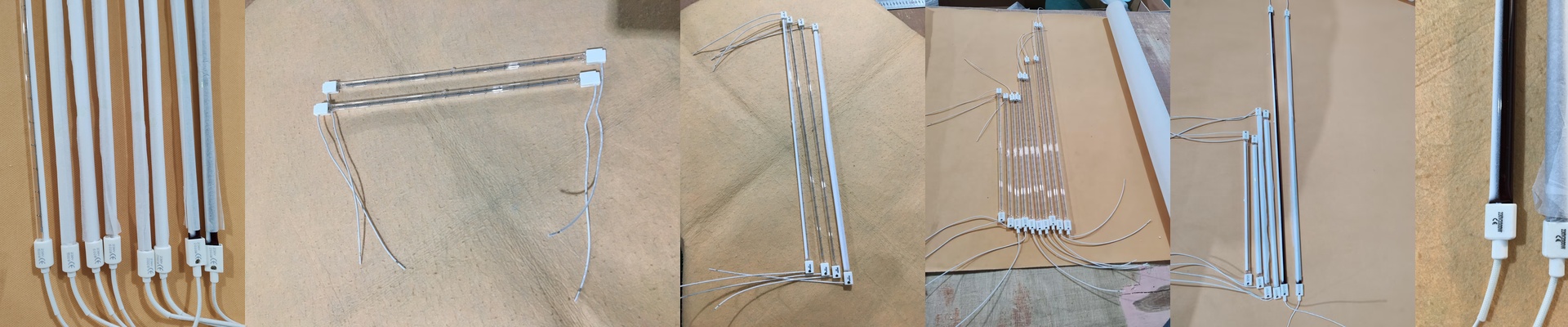
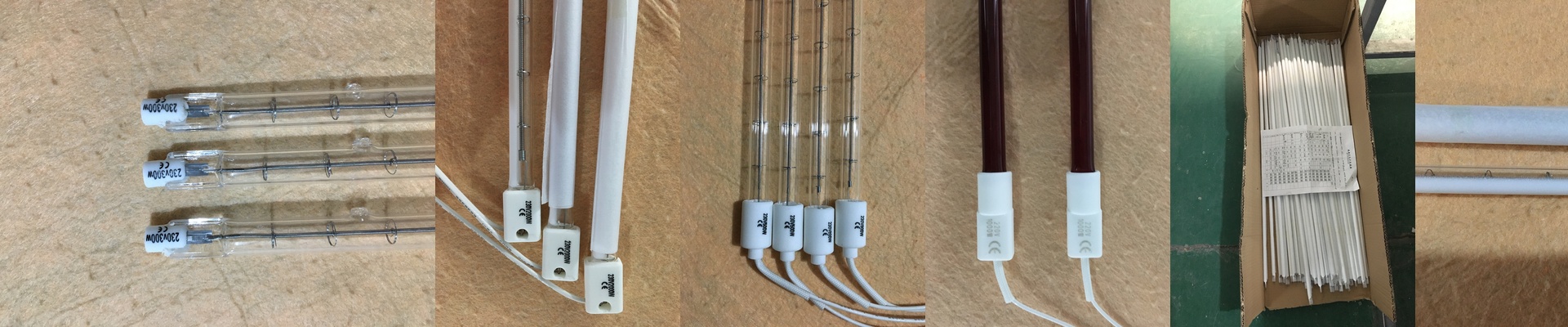
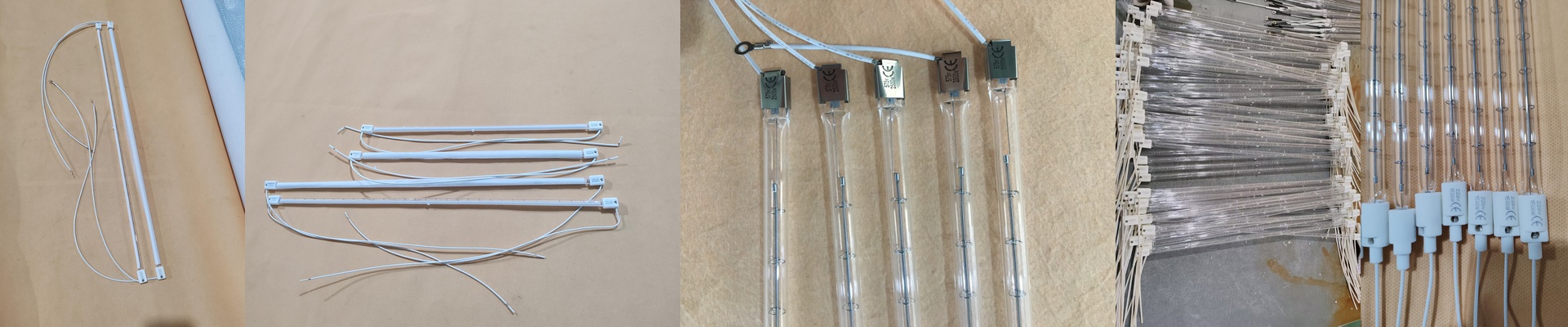
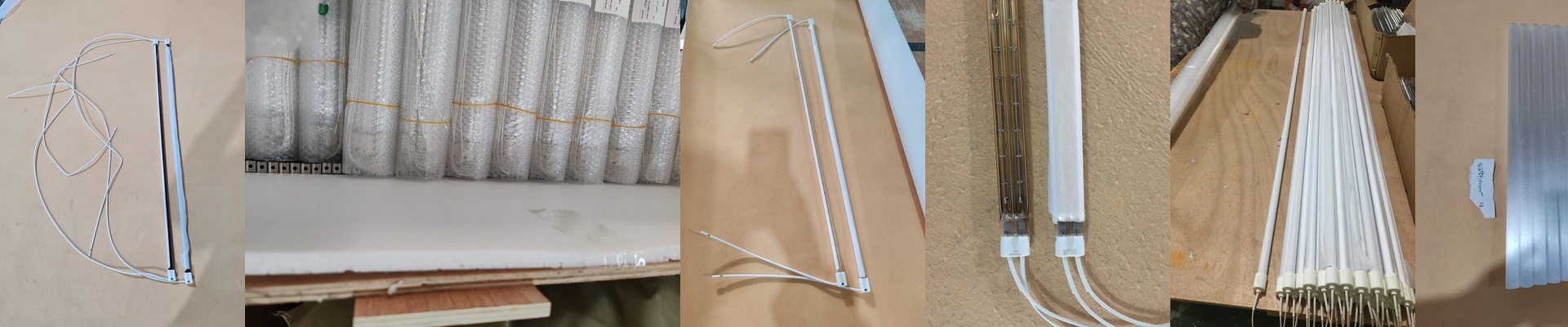
We don’t mess around with the raw stuff. If you want the same heat density and lifespan as those big-name global brands, you have to use the same high-purity quartz and tungsten filaments. Period. There’s no “budget” version of physics. So, how do we drop the price? We stopped paying for the fancy import overhead and the nightmare of long-distance logistics. We moved everything to a streamlined domestic setup. It’s simpler, it’s faster, and it’s way cheaper to run.
Does it actually work?
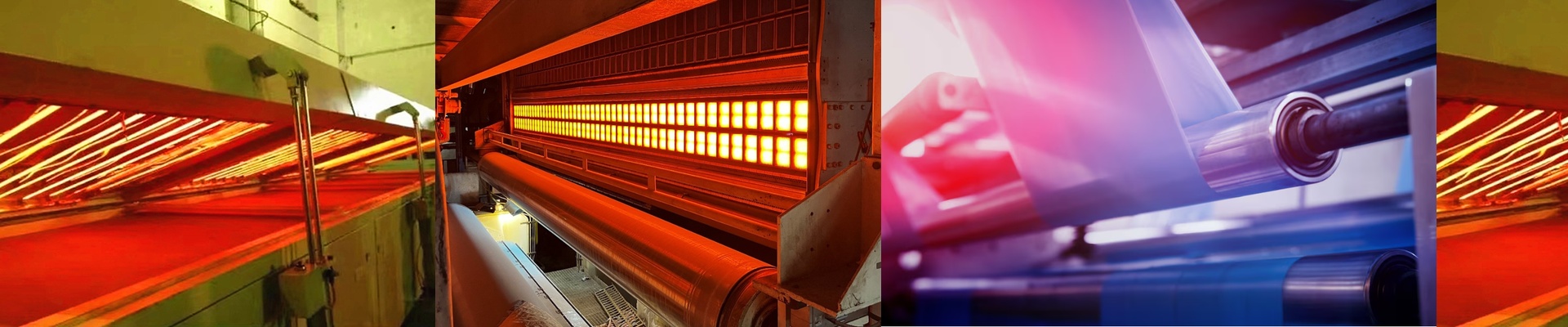
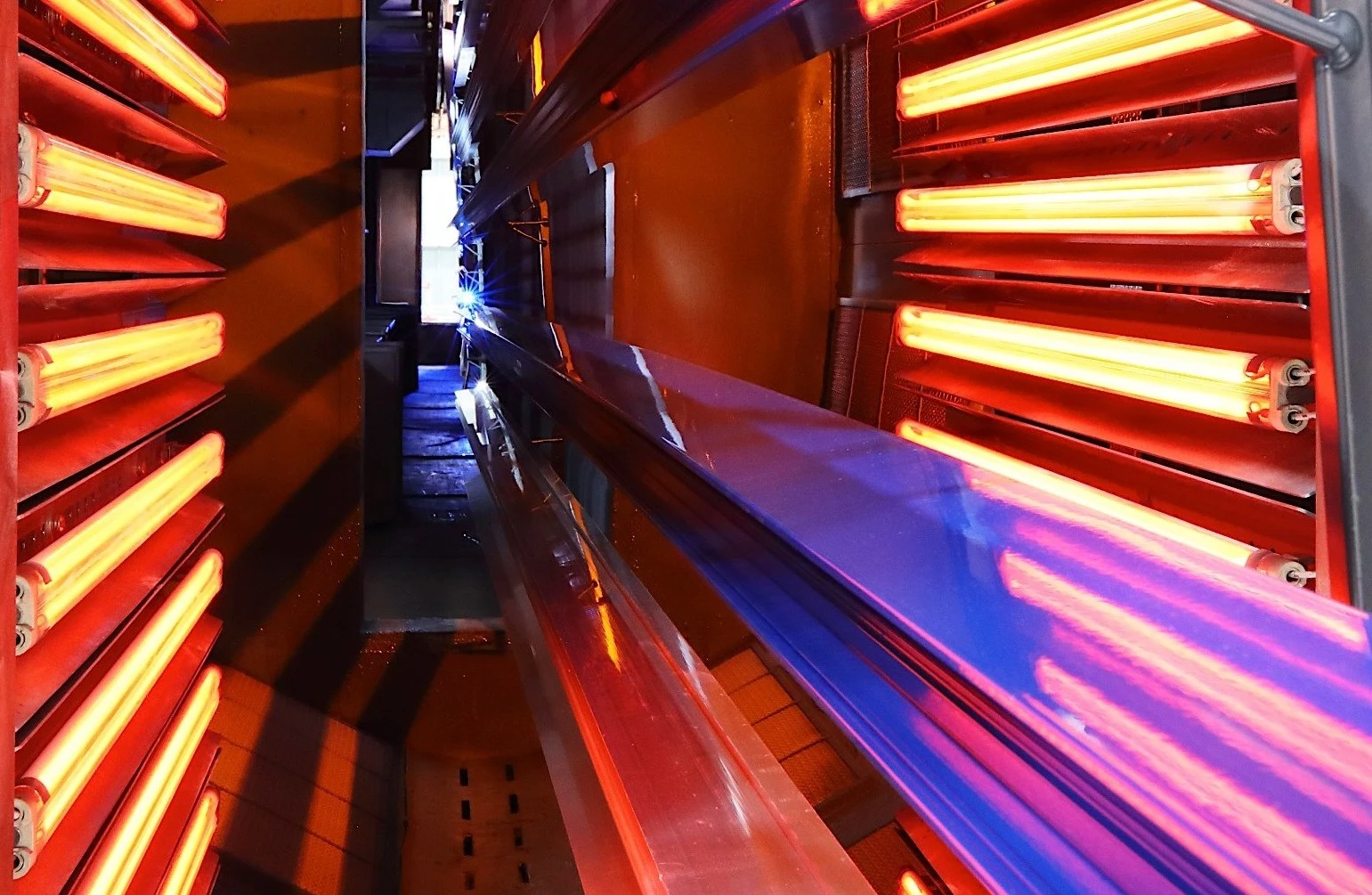
When we design a heating element, we only care about one thing: does it do the job? If you need a lamp that hits 2500W at 400V, it needs to hit those numbers exactly. No drifting. No “close enough.” We obsess over the filament centering and thermal stability because if the heat isn’t even, you get hot spots. And hot spots mean warped PET preforms or ruined coatings. That’s a headache nobody wants.
The honest trade-off
Look, no part is a magic wand. Even if the heater is top-tier, you still have to treat your hardware right. High-density heaters put a lot of stress on your power supply. If you’re cranking up the wattage in a small space to get more product out the door, your cooling fans have to keep up. If your airflow is weak, your socket housing is going to bake. It’ll fail, and it’ll fail fast. At the end of the day, the technical performance is the same. You just stop paying for a name.