Getting the Heat Right in Metal Finishing
Most people think of heating as a simple switch: it’s either on or it’s off. But when you’re coating metal, it’s a lot more nuanced than that. It’s all about controlling exactly how that heat hits the surface—right down to the micron—so the polymer bonds perfectly without scorching the part.
The Reality of Heat Density
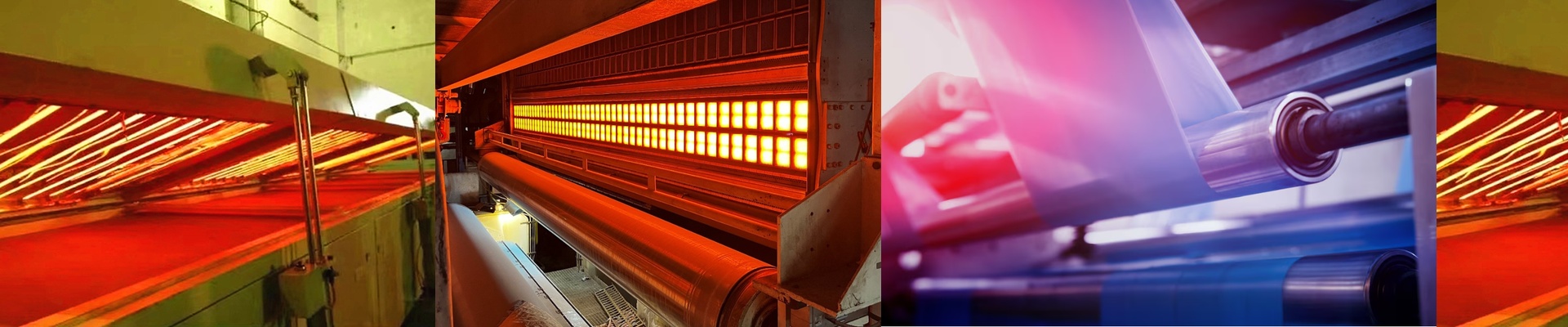
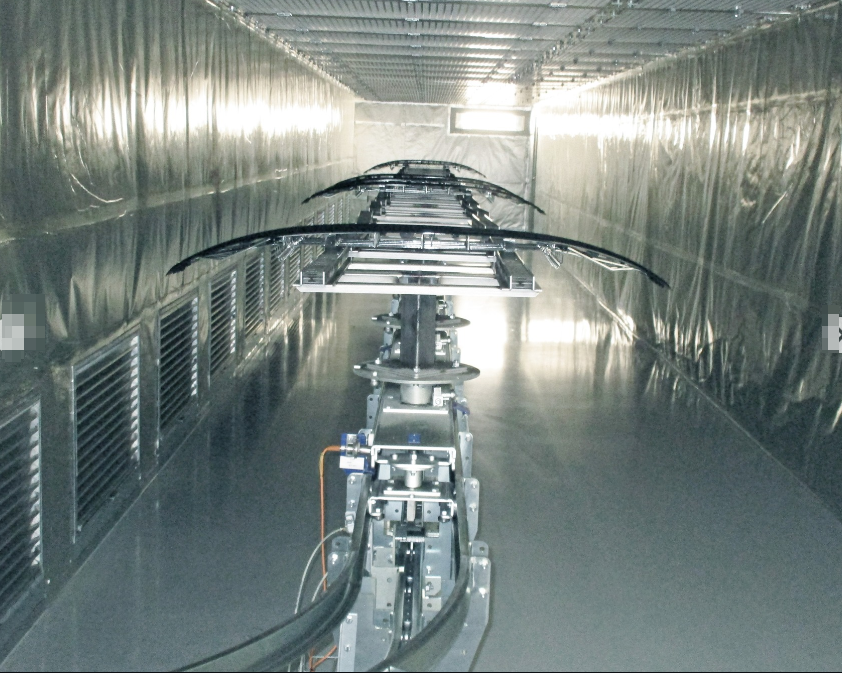
If you want a sustainable shop, you have to stop wasting heat. We spend a lot of time looking at the ratio of energy that actually hits the part versus the energy that just leaks into the oven walls. By tweaking the wattage-per-centimeter of the heating elements, we can get the line up to temp way faster. That means a quicker ramp-up and a lower electricity bill per part. Simple as that. Plus, using high-density arrays lets you heat in zones. If you’ve got a complex metal chassis, you can blast the edges with more intensity while keeping the flat center steady. No more “cold spots,” no more coating failures, and—best of all—no more expensive rework.
The Trade-offs You Need to Know
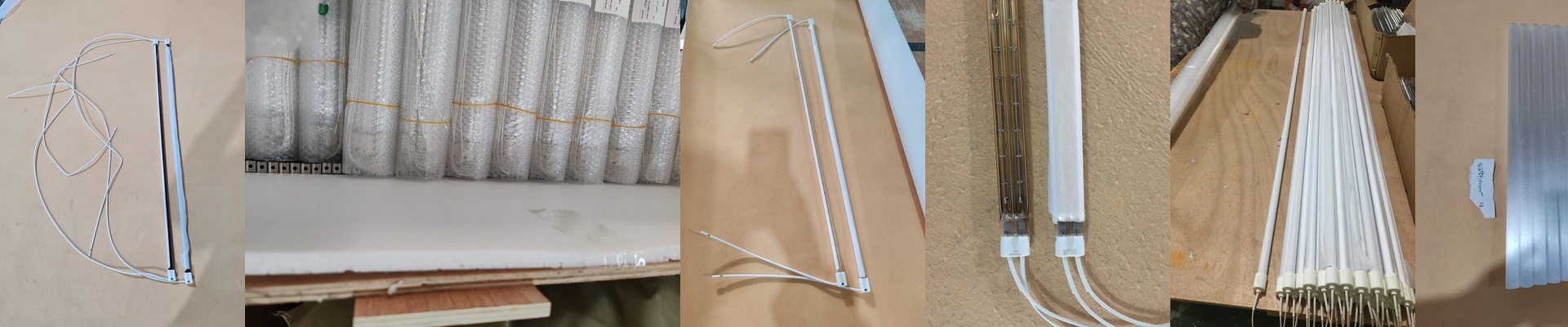
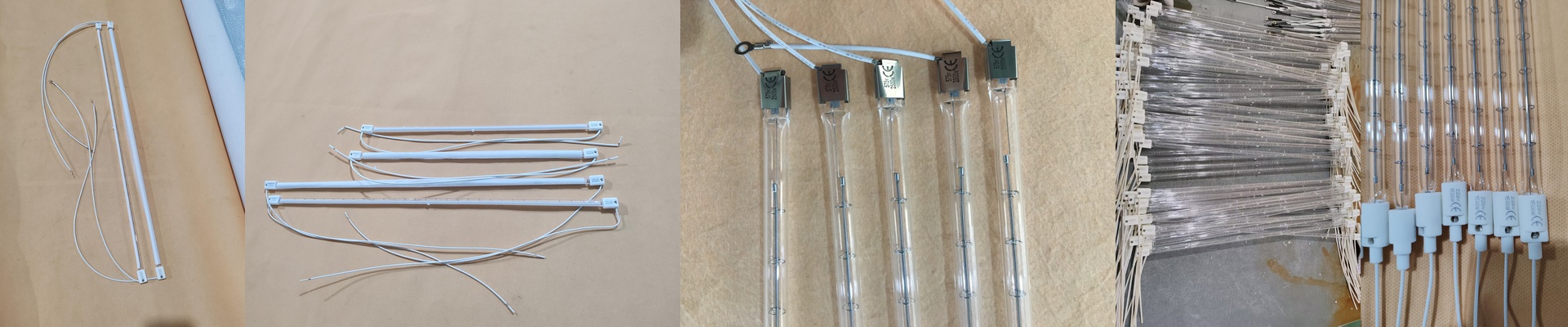
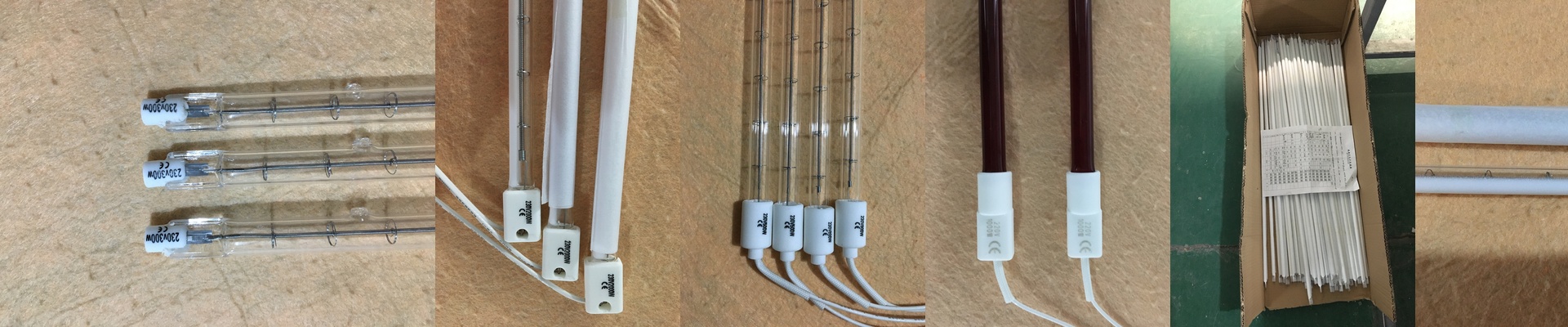
We use quartz and halogen tech to change how the heat is emitted. Shortwave IR is the secret here; it cuts through the coating layer much faster than old-school convection and hits the metal surface directly. But there’s a catch. Shortwave lamps pack a massive amount of heat into a tiny space. If you go for maximum output, you can’t skimp on your cooling fans and vents. If the airflow is weak, you’re going to burn out your lamp ends or warp your reflector housings. It’s a powerful tool, but you have to give it room to breathe.
Making it Work on the Shop Floor
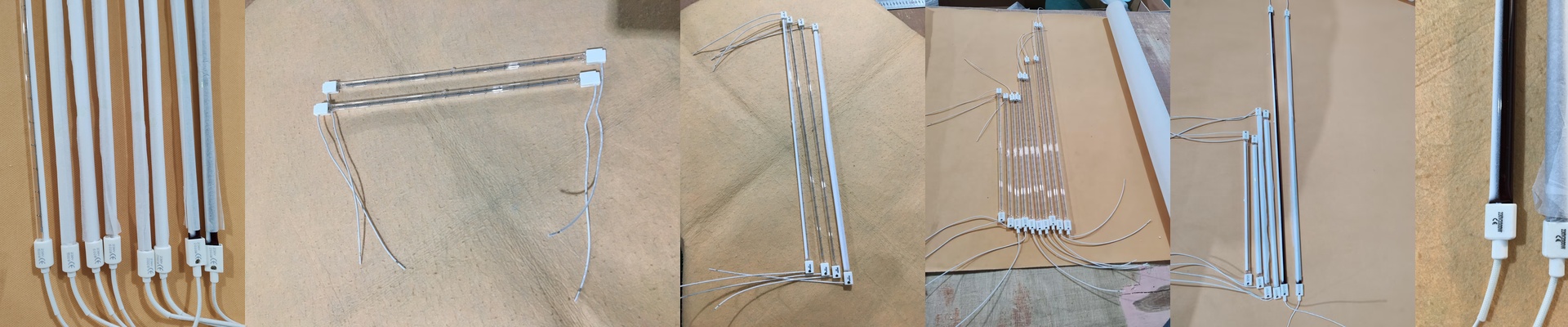
We don’t believe in making your life harder. That’s why we design these systems to be drop-in replacements. We use standard connectors and footprints so you aren’t spending your weekend rewiring an entire cabinet just to do a retrofit. At the end of the day, “going green” isn’t about buying one fancy eco-friendly part. It’s about the clock. When you use precision heat to cut a curing cycle from 20 minutes down to 8, your carbon footprint shrinks automatically. You move more parts per shift. And let’s be honest—that’s the only metric that actually matters when you’re standing on the factory floor.