Introduction
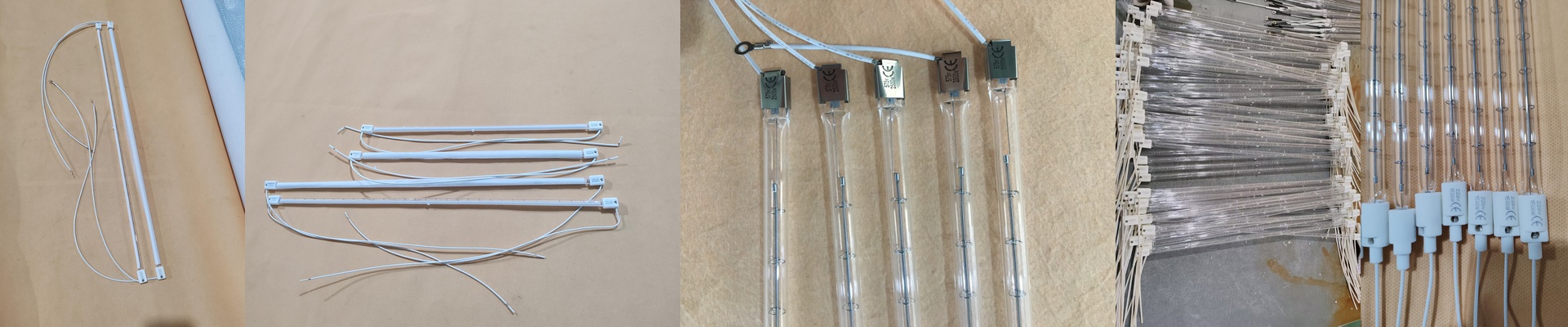
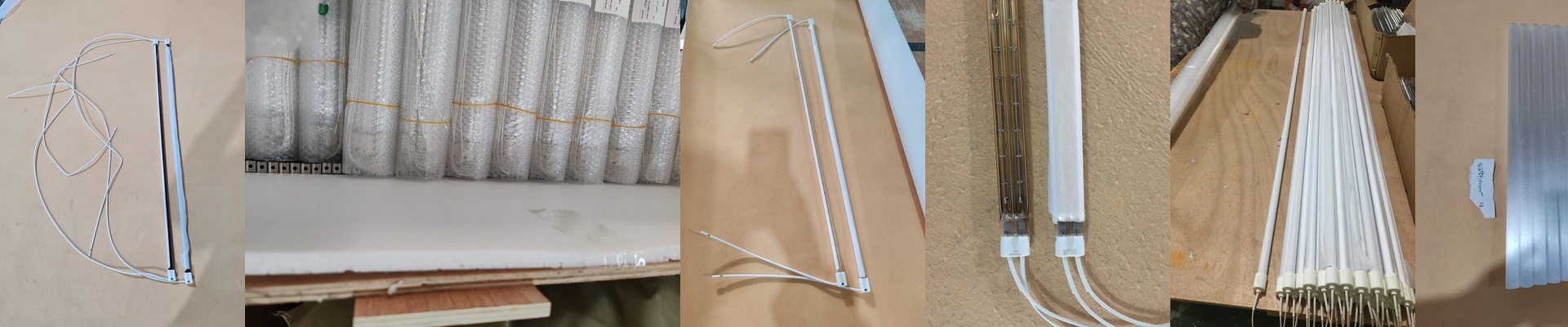
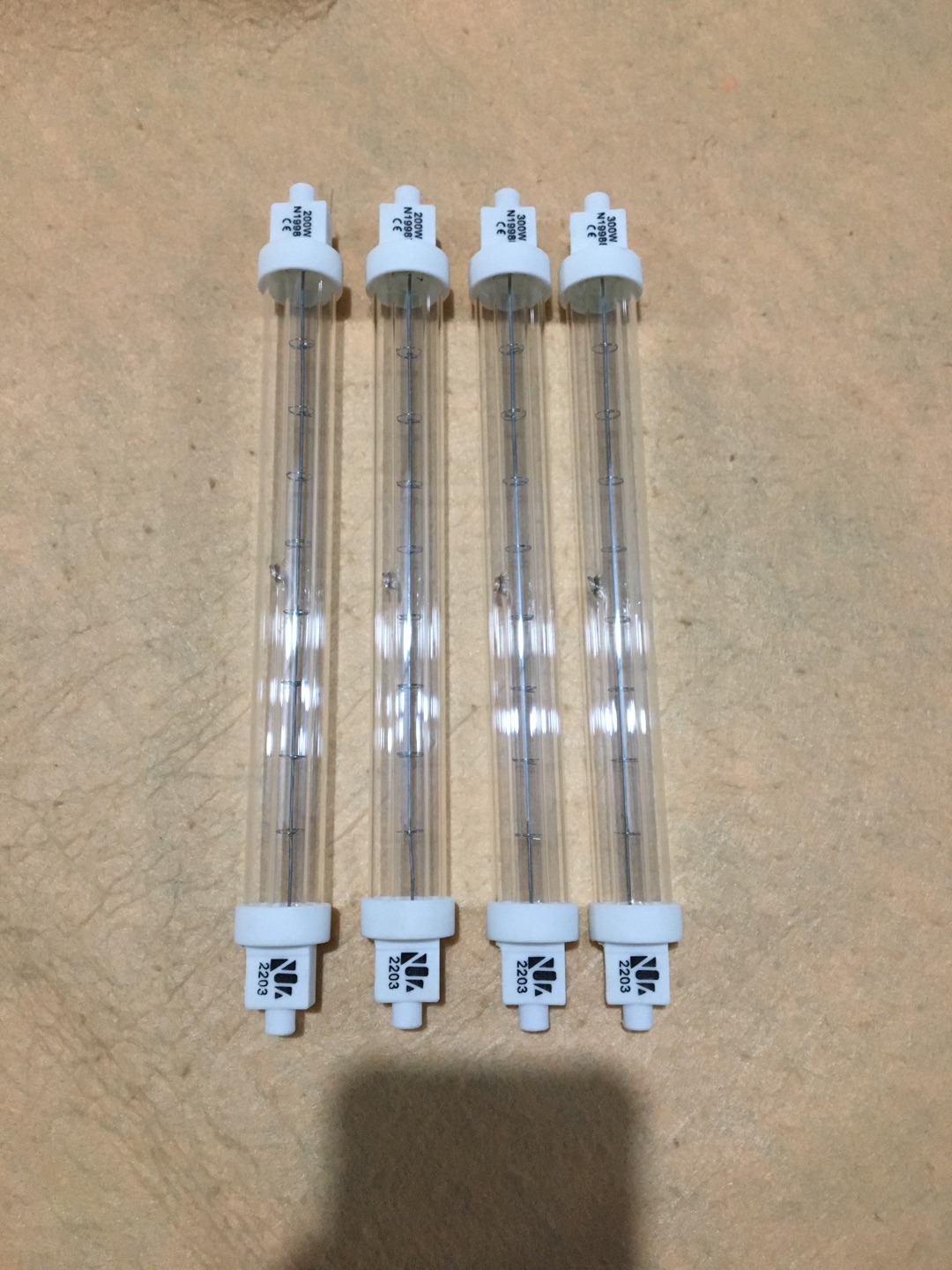
When you need heat that jumps to attention and listens to your commands, that’s where we come in. We build infrared halogen elements for industrial heating—the kind you need when you can’t afford to wait around. These are quartz-tube lamps, built around a clever halogen cycle that keeps the filament stable. The result? Heat you can count on, day after day, for the long haul.
Getting into the Details
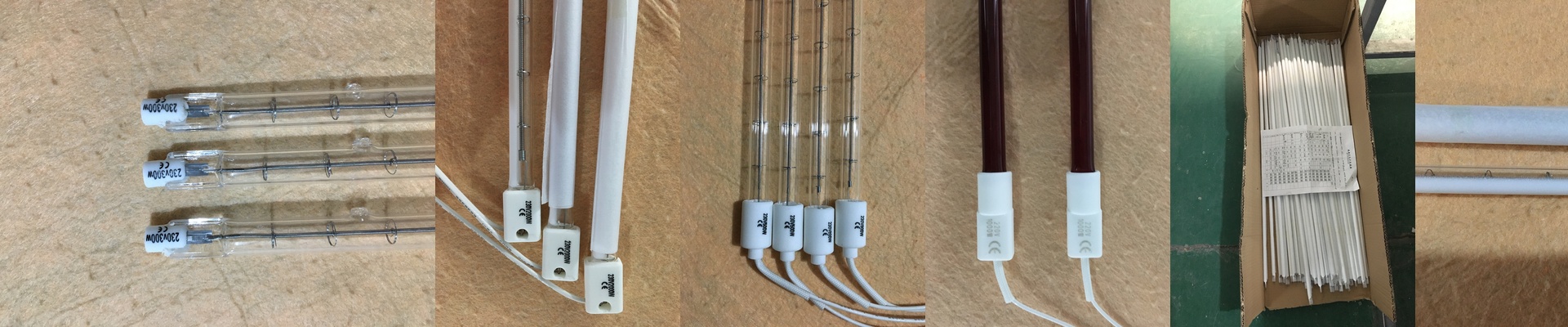
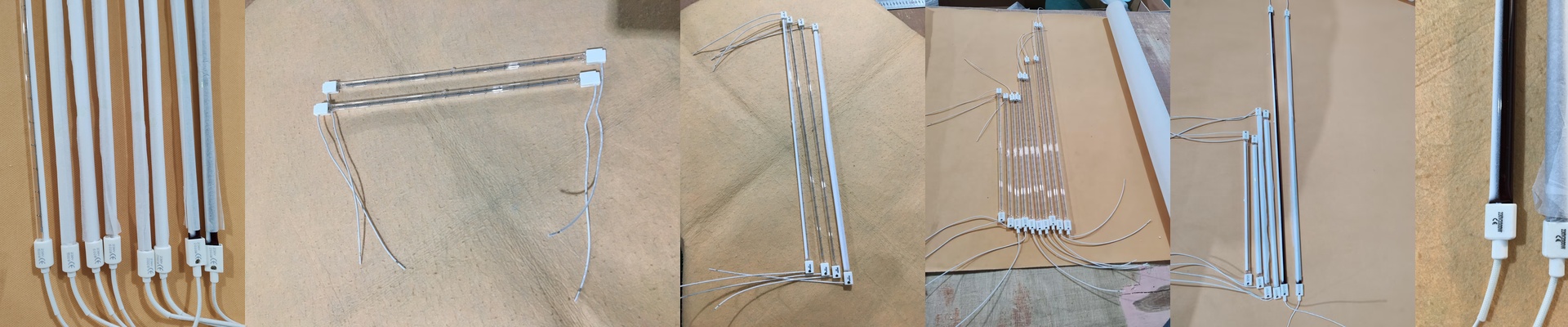
Choosing the right element comes down to a few basics: voltage, wattage, and length. Going with a high-voltage design, like 400V, is a smart move. It gives you the power you need without pushing too much current through your wiring. That means you can use smaller conductors and keep your setup simple. And when space is tight? A compact element, say around 300mm long, packs a serious punch. But here’s the thing—high heat density means you’ve got to get the surrounding fixture and cooling just right. Just make sure your wattage matches the work, and your voltage matches the control panel.
What’s Inside and Why It Matters
Inside the quartz envelope, the halogen gas is doing double duty—it protects the filament and keeps the output steady by putting the evaporated material right back where it belongs. The quartz tube itself is tough. It takes the heat, and it doesn’t flinch when the temperature changes fast. Many versions come with a reflective coating that focuses the energy forward. That means better efficiency and less stray heat bouncing around where it shouldn’t. For the connections, you’ll often see R7s and Sk15 bases. They’re popular for a reason—they lock in tight and keep the electrical contact solid, even in a demanding industrial environment.
Where They Shine and What You Get
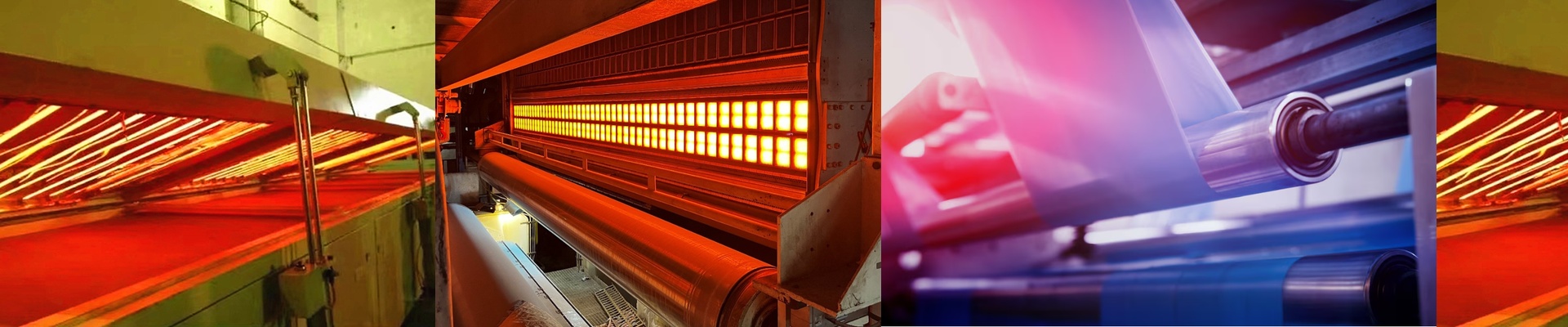
These elements are made for jobs that move fast—think thermoforming, drying, curing components. The response is practically instant. Turn it on, and the heat is there. No waiting around. That makes short cycles feel effortless. You’ll get a long life out of them, as long as you keep the voltage steady and the cooling in check. Plan for enough airflow and shield things from the heat. It’s powerful stuff—high heat density—so it needs a machine that’s designed to work with it. But when you get that pairing right, you’ve got a setup that’s ready to perform.