The 600W Halogen Heat Lamp: When You Need Industrial Heat, Now
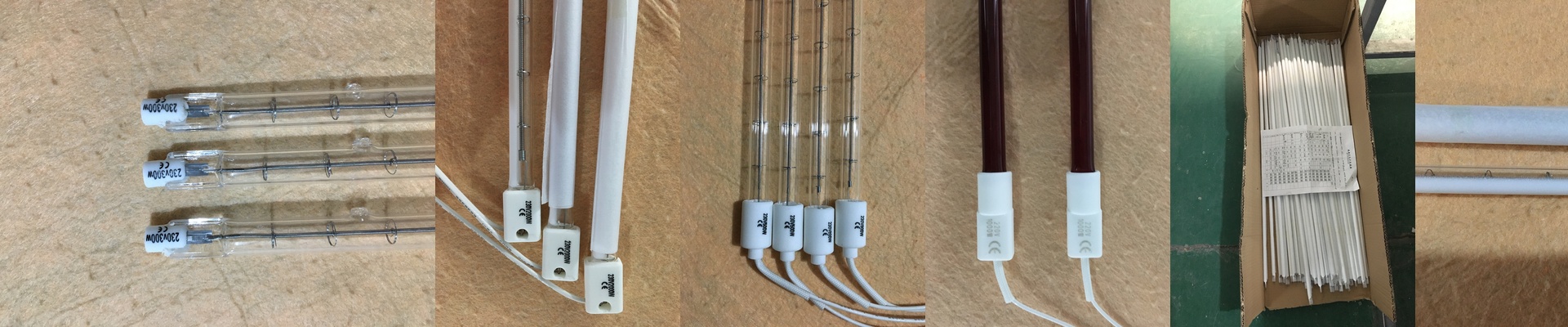
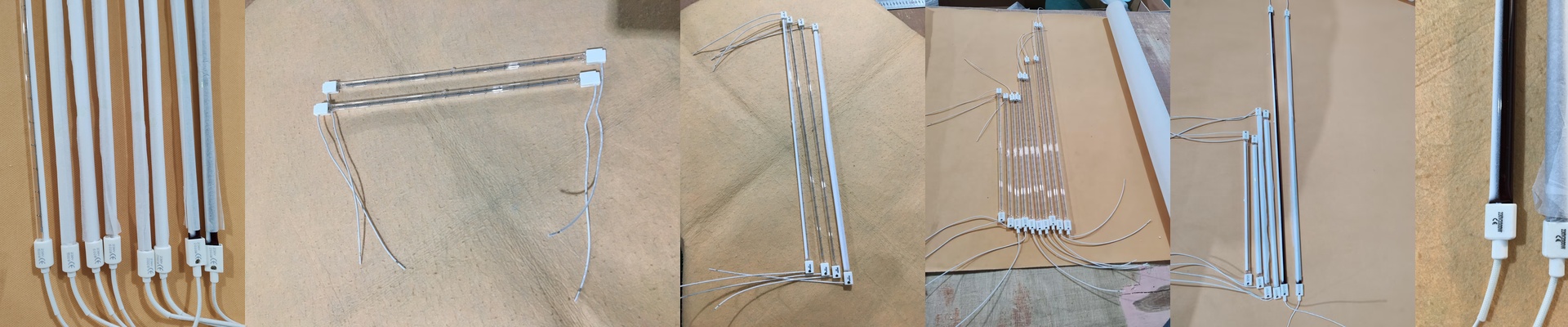
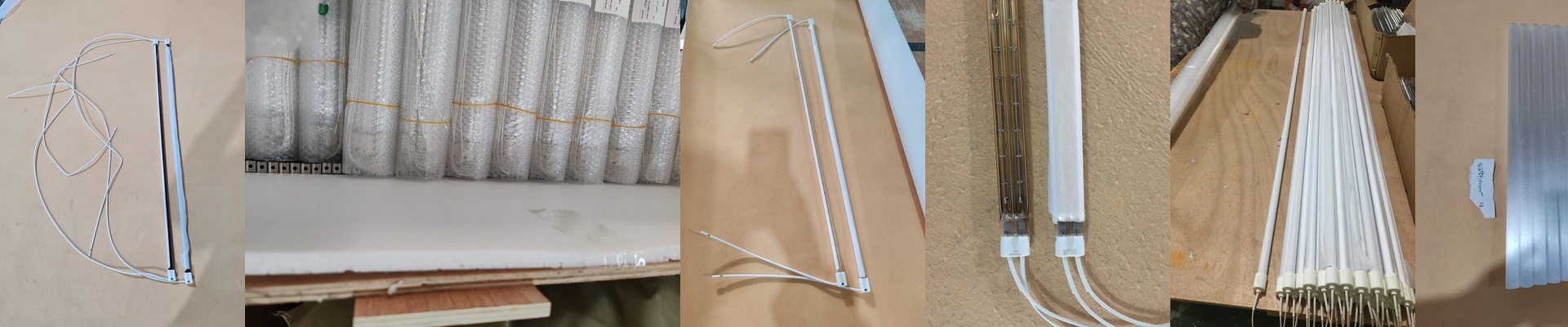
We built this 600W halogen heat lamp for the jobs that demand serious heat, fast—the kind you find on a busy plant floor where space is tight and time is money. At its heart is a shortwave infrared (IR) emitter. It blasts heat directly where you need it, without wasting time heating up the air around it. That’s why it shines at spot heating, curing, and processing materials—when you need heat to respond the moment you flip the switch.
Power, Voltage, and a Size That Makes Sense
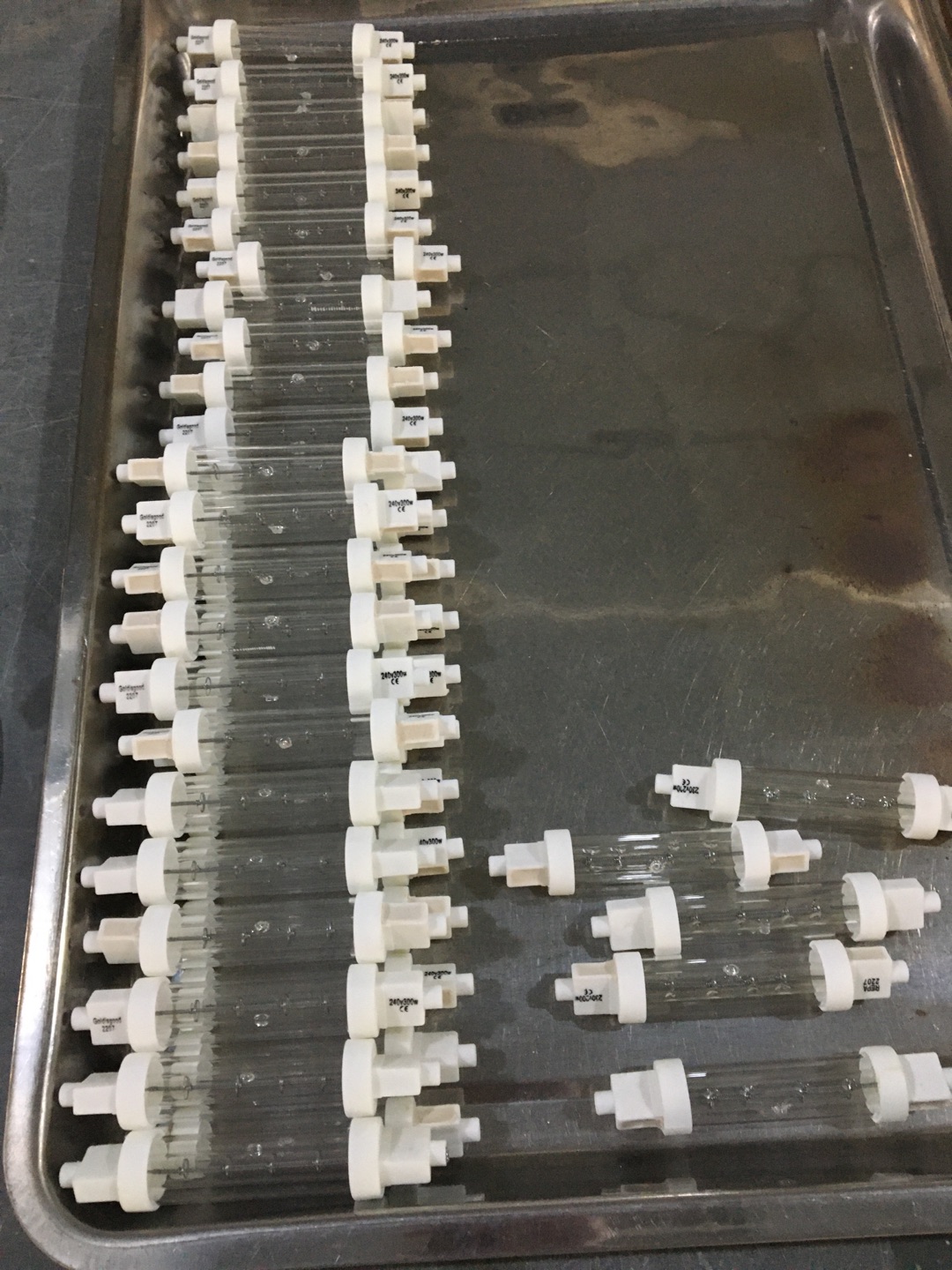
It runs at 600W—enough punch to deliver a strong blast of heat without tripping over typical industrial control circuits. Plugging in is simple, too. It runs on standard mains voltages, usually 230V or 240V, so it drops right in where you need it. And the size? We kept it compact. The tube is short, so it fits into tight reflector setups and process heads that would choke on longer lamps.
Built to Take the Heat—Every Time
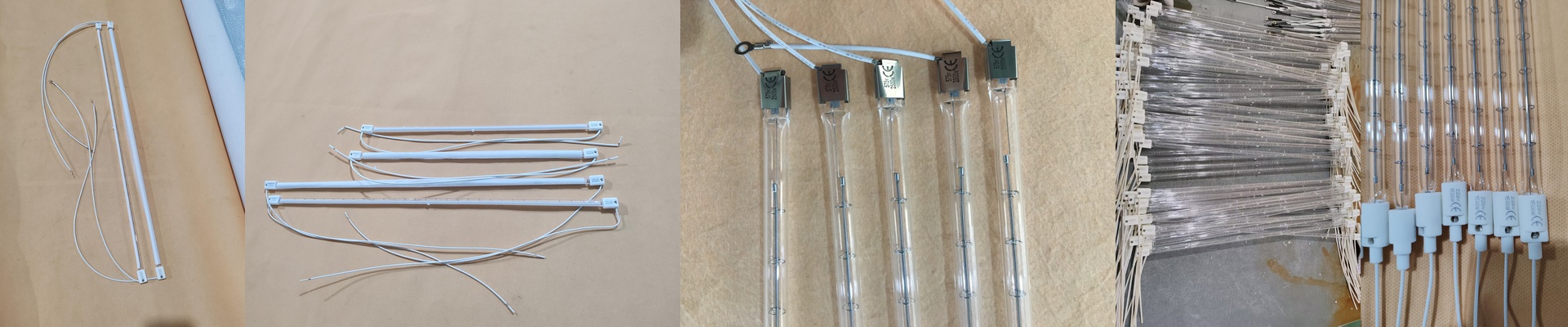
We chose a quartz envelope because it can handle the searing filament temperatures and the shock of rapid on/off cycles. The halogen cycle does its job, keeping the quartz clear and preventing that blackening that kills performance over time. That means consistent output, day after day. Inside, the halogen gas fill lets the filament run hotter, pushing the output into the shortwave IR range—so the heat arrives fast and penetrates deep.
The R7s Connector: Simple, Solid, Done
The R7s connector is a smart pick. It gives you a secure, two-point end-cap contact that handles the current without getting hot under pressure. Installation is quick: slide it in and lock it. No fuss. No extra mounting hardware to chase.
Where It Shines in the Real World
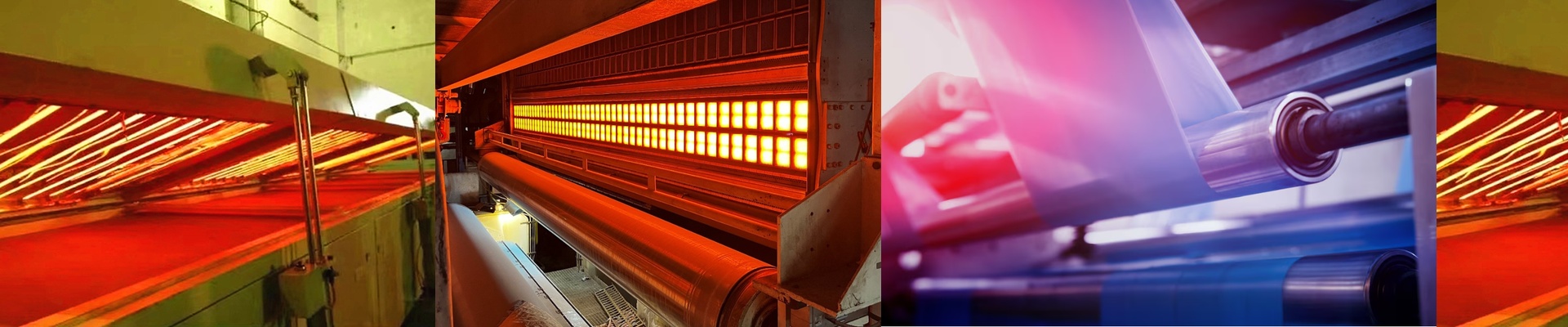
You’ll see this lamp hard at work on plastic processing, adhesive curing, coating drying, and heating zones on assembly lines. The shortwave IR heats targets quickly, which means shorter cycle times—and that adds up fast. And because we used a tough quartz envelope and an R7s base, you spend less time worrying about connector failures and replacements. Less downtime. More uptime.
A heads-up for planning
One thing to keep in mind: that high filament temperature creates intense, localized heat. Make sure your reflector alignment is on point, and confirm the material you’re heating can handle the peak temperature. A little planning keeps you from scorching what matters.